
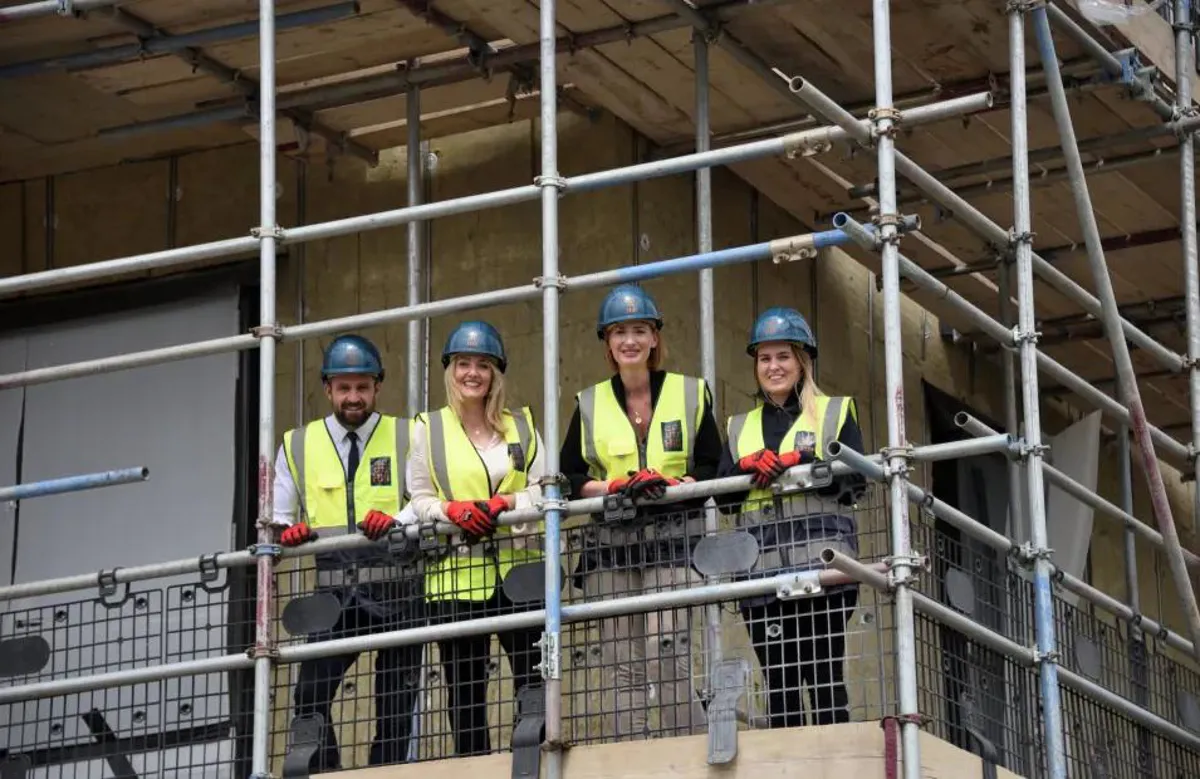
Women in Scaffolding Association (WiSA): History, Founder, Mission and Activities
The scaffolding industry plays a vital role in construction, infrastructure development and industrial projects worldwide. It is a highly specialised sector that requires technical knowledge, practical skills, teamwork and a strong commitment to health and safety.
Traditionally, scaffolding has been a male-dominated profession, with women remaining underrepresented in many operational and technical roles. However, the industry is gradually recognising the importance of diversity, equal opportunities and the contribution women can make to its future.
One organisation working to support this change is the Women in Scaffolding Association (WiSA), a UK-based initiative dedicated to increasing the visibility, participation and professional development of women in the scaffolding and access industry.
In this article, we explore the history of WiSA, its founder, its main objectives, its activities and its growing role in shaping a more inclusive scaffolding industry.
What Is the Women in Scaffolding Association (WiSA)?
The Women in Scaffolding Association, commonly known as WiSA, is an organisation established in the United Kingdom to support and promote women working in, or seeking to enter, the scaffolding industry.
Its mission focuses on creating greater opportunities for women, recognising their professional capabilities and building stronger connections across the scaffolding and access sector.
WiSA aims to challenge traditional perceptions of scaffolding as an exclusively male profession. It promotes a working environment where individuals are recognised for their skills, qualifications, experience and professional commitment rather than their gender.
Its central message is simple:
Skill Has No Gender.
Through networking, professional development, industry engagement and awareness initiatives, WiSA seeks to contribute to a more inclusive and sustainable future for the scaffolding sector.
When Was WiSA Founded?
The Women in Scaffolding Association was officially launched on 10 October 2025 in the United Kingdom.
The association emerged from the recognition that women working in scaffolding needed greater visibility, stronger professional networks and better opportunities to share their experiences.
Despite the technical knowledge and practical abilities required in scaffolding, women have historically had limited representation in many areas of the profession.
WiSA was established to help address this imbalance by bringing together women, employers, industry professionals and organisations interested in supporting greater female participation.
Who Founded the Women in Scaffolding Association?
The founder of the Women in Scaffolding Association is Emerantia Claassen.
Emerantia Claassen is an industry professional with experience in the scaffolding sector and involvement in the management of ICE Scaffolding and Glyntree.
Her experience within the industry helped identify the challenges faced by women working in scaffolding, including limited visibility, professional networking opportunities and access to career development.
Through the establishment of WiSA, she sought to create a dedicated platform where women could connect, exchange knowledge, share experiences and contribute more actively to the development of the industry.
Her initiative is based on the belief that professional competence, technical knowledge and safety awareness should determine opportunities within scaffolding, not gender.
The Main Objectives of WiSA
The Women in Scaffolding Association focuses on several important objectives.
1. Increasing Women's Participation in Scaffolding
One of WiSA's primary objectives is to encourage more women to consider scaffolding as a professional career.
The association works to raise awareness of the different roles available within the industry, from hands-on scaffolding operations to supervision, engineering, design, health and safety, management and business ownership.
By highlighting the experiences of women already working in the sector, WiSA aims to demonstrate that scaffolding offers opportunities for individuals with different skills and career ambitions.
2. Supporting Training and Professional Development
Scaffolding is a safety-critical profession that requires appropriate training, practical experience and recognised professional qualifications.
WiSA aims to help women understand available training pathways and professional development opportunities.
In the United Kingdom, one of the recognised qualification and training frameworks in the scaffolding sector is the Construction Industry Scaffolders Record Scheme (CISRS).
Greater awareness of training routes can help women identify the skills and qualifications needed to enter the industry and progress in their careers.
3. Building Professional Networks and Mentoring Opportunities
Professional networking is an important part of career development.
WiSA aims to connect women working in different areas of scaffolding, enabling them to share experiences, exchange knowledge and develop professional relationships.
Mentoring can also play an important role by allowing experienced professionals to support those who are new to the industry.
These connections can help build confidence, improve access to opportunities and encourage long-term career development.
4. Encouraging the Next Generation of Female Scaffolders
Attracting new talent is essential for the future of the scaffolding industry.
WiSA seeks to introduce younger generations, particularly girls and young women, to scaffolding as a potential career.
By increasing awareness of the profession and its different career pathways, the association aims to challenge outdated assumptions and encourage more young people to explore technical and practical careers.
5. Promoting Collaboration Across the Industry
The development of a more inclusive scaffolding industry requires cooperation between different stakeholders.
WiSA recognises the importance of engagement with scaffolding contractors, construction companies, training providers, suppliers, manufacturers and professional organisations.
These partnerships can help create more opportunities for training, employment, professional recognition and industry development.
What Activities Does WiSA Carry Out?
WiSA's work focuses on building connections, increasing awareness and supporting the professional development of women across the scaffolding sector.
Its key areas of activity include:
- Highlighting women working in the scaffolding industry.
- Sharing professional experiences and career stories.
- Promoting training and qualification pathways.
- Encouraging mentoring and professional networking.
- Raising awareness of employment opportunities.
- Connecting women with scaffolding contractors and industry organisations.
- Supporting engagement with schools, colleges and educational institutions.
- Promoting greater representation of women in technical, operational and leadership positions.
An important aspect of this work is recognising the achievements of women already contributing to the industry.
By making their experiences more visible, WiSA aims to provide positive examples for future generations and encourage a wider understanding of the opportunities available within scaffolding.
WiSA and NASC: A Significant Industry Partnership
One of the important developments in WiSA's journey has been its collaboration with the National Access & Scaffolding Confederation (NASC).
NASC is a leading UK trade association representing the scaffolding and access industry.
On 22 September 2026, WiSA and NASC signed a Memorandum of Understanding (MOU), establishing a framework for closer cooperation.
The agreement represents an important step towards strengthening the role of women within the scaffolding industry.
The main areas of cooperation include:
- Encouraging greater female participation in scaffolding.
- Supporting recruitment and workforce retention.
- Promoting professional development and mentoring.
- Creating networking opportunities.
- Sharing industry knowledge and experience.
- Supporting educational and awareness initiatives.
- Participating in relevant industry events and activities.
The partnership demonstrates the growing importance of workforce development and inclusion within the UK scaffolding sector.
It also provides an opportunity for WiSA to strengthen its connections with established industry organisations and contribute to wider conversations about the future of scaffolding.
Why Does WiSA Matter to the Future of the Scaffolding Industry?
The scaffolding industry faces several long-term challenges, including skills shortages, workforce development, recruitment and the retention of experienced professionals.
Addressing these challenges requires the industry to recognise and develop talent from a wider range of backgrounds.
WiSA contributes to this discussion by promoting opportunities for women and encouraging employers to recognise professional ability and competence.
Its approach is relevant in three key areas.
Workforce Development
Encouraging more women to enter scaffolding can help broaden the industry's potential talent pool and support long-term workforce development.
Cultural Change
Increasing the visibility of female professionals can challenge traditional perceptions and contribute to a more inclusive working environment.
Professional Standards
Greater participation must go hand in hand with appropriate training, recognised qualifications, practical competence and consistent health and safety standards.
WiSA's message is not about lowering professional requirements. It is about ensuring that opportunities are accessible to qualified and capable individuals.
Can Other Countries Learn from the WiSA Model?
The work of WiSA provides an interesting example for other countries seeking to improve female participation in construction and scaffolding.
In many markets, including emerging construction sectors, there are opportunities to strengthen technical education, improve workforce development and introduce initiatives that encourage more women to consider careers in traditionally male-dominated professions.
The WiSA model highlights several approaches that could be explored internationally:
- Establishing professional networks for women in scaffolding.
- Developing mentoring programmes.
- Promoting access to technical training.
- Working with construction companies and contractors.
- Raising awareness of female career opportunities.
- Encouraging collaboration with professional associations.
- Highlighting successful women in the industry.
Although each country has its own labour market, regulatory framework and training requirements, the underlying principles of professional development, equal opportunity and skills recognition can be relevant internationally.
How Can Individuals and Companies Connect with WiSA?
WiSA's activities are relevant to a broad range of industry participants, including:
- Women currently working in scaffolding.
- Women interested in entering the profession.
- Scaffolding contractors and construction companies.
- Training providers and educational institutions.
- Manufacturers and scaffolding equipment suppliers.
- Industry professionals and technical specialists.
- Organisations interested in workforce diversity and development.
Companies can explore opportunities to support the association's objectives through professional engagement, industry collaboration and awareness initiatives.
For the latest information about membership, participation and partnership opportunities, visitors should consult the official WiSA website.
Official website: https://wiscaff.uk
Conclusion: Building a More Inclusive Future for Scaffolding
The Women in Scaffolding Association represents an important initiative within the UK scaffolding and access industry.
Founded by Emerantia Claassen and officially launched in October 2025, WiSA aims to increase women's visibility, support professional development and encourage greater participation across the sector.
Through networking, mentoring, education, industry engagement and collaboration with organisations such as NASC, the association is helping to bring greater attention to the role women can play in the future of scaffolding.
Its message is clear:
Skills, knowledge and professional competence are not defined by gender.
A stronger scaffolding industry depends on qualified people, high professional standards, a commitment to safety and equal opportunities for everyone.
WiSA – Breaking Barriers. Building the Future.

💬 نظرات کاربران
اولین نفری باشید که نظر میدهد.